Phone: (518) 276-8277 Fax: Email:
This e-mail address is being protected from spambots. You need JavaScript enabled to view it
Mailing Address:
Department of Electrical, Computer, & Systems Engineering Ph.D., Indian Institute of Science M.S., Indian Institute of Technology B.S., Bombay University While completing his doctoral degree, Dutta worked as a Council for Scientific and Industrial Research Fellow at the Indian Institute of Science, in Bangalore, India. Subsequently, he served as a visiting scientist at the Universidad Autonoma in Madrid, Spain and at the Solid State Physics Laboratory of Delhi, India. He joined Rensselaer in 1996 as a research associate in the Department of Mechanical Engineering, Aeronautical Engineering, and Mechanics. Three years later, he was appointed as a research assistant professor in the Electrical, Computer, and Systems Engineering Department. In 2000, he was offered a tenure track assistant professor position.
Contact:
Low Center for Industrial Innovation
rm: 6015
110 8th Street
Troy, New York
12180
Partha Dutta
Professor
Department Affiliation:
Education:
Experimental Condensed Matter Physics
Physics
Physics, Chemistry, MathematicsBackground:
Research Interests:
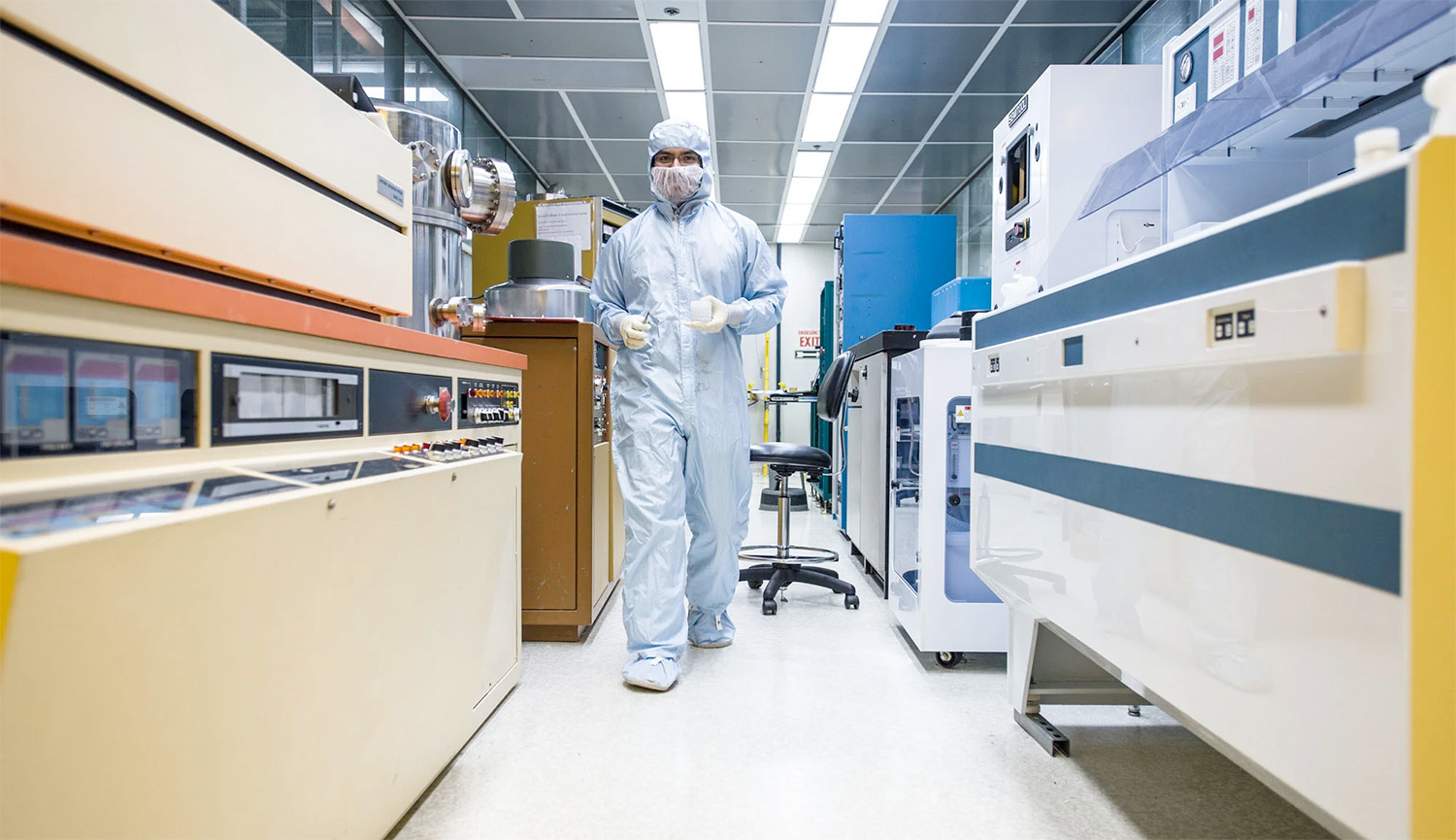
Dutta's research interests include the development of materials technology for large-scale applications and manufacturing. His broad expertise is in the area of advanced photonic and electronic materials and devices. His materials research and development efforts span from nanosized crystals to large diameter bulk ingots. He has over ten years of experience in semiconductor bulk crystal growth and wafer processing, electronic and optoelectronic device fabrication, processing, and testing. Two of his key innovations in the last five years include development of large diameter ternary and quaternary bulk III-V substrates, and process development for large-scale manufacturing of high-quality, tunable-size nanocrystals (or quantum dots).
He and his team of graduate students are conducting research in the areas of ternary bulk crystal growth, nanomaterials, free space optical communication, infrared photodetectors and photovoltaic devices, and III-V antimonide processing.